
Biden Commutes Nearly 2,500 Nonviolent Drug Sentences in Historic Clemency Wave
In one of his final acts, President Biden commutes nearly 2,500 nonviolent drug sentences, targeting crack vs. powder cocaine disparities and decades old injustices.
Sandeep Gawdiya
1/17/20265 min read
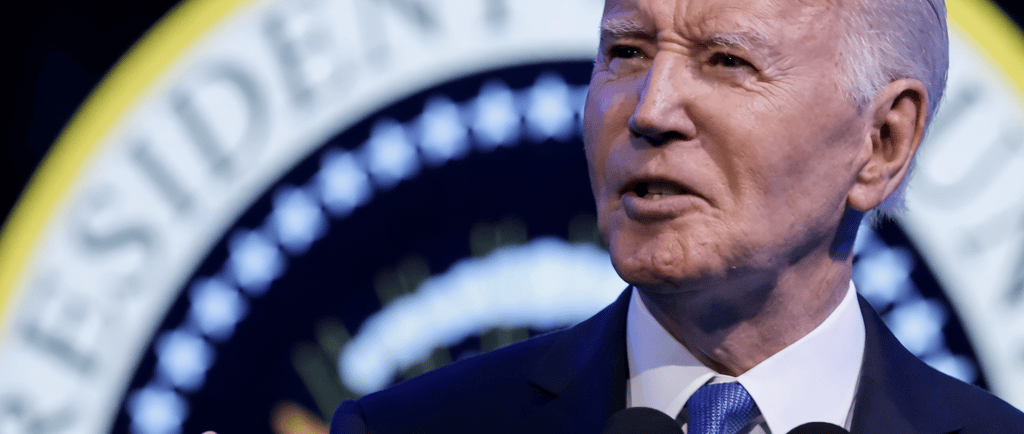
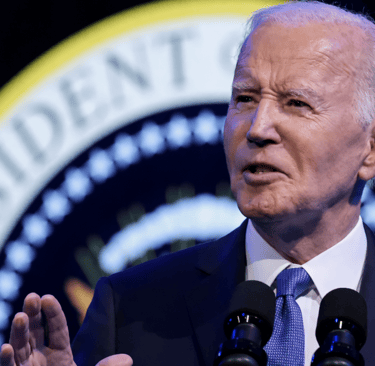
In a dramatic final‑stretch move that instantly reshaped his criminal justice legacy, President Joe Biden has commuted the sentences of nearly 2,500 people convicted of nonviolent federal drug offenses. Announced on January 17, 2025, just days before leaving office, the decision marks one of the largest single acts of clemency in modern US history and cements Biden as the president who granted more individual acts of clemency than any of his predecessors.
This sweeping action comes after years of pressure from activists, public defenders, and families who argued that thousands of people were still serving sentences far longer than what they would receive under today’s laws. For many, the announcement turned long‑held hopes of reunion and second chances into an immediate, life‑altering reality.
Who is being freed – and why it matters
The commutations apply to roughly 2,500 people serving time for federal nonviolent drug crimes, many of them tied to crack cocaine and other offenses once punished with severe mandatory minimums. According to officials, a large share of those granted relief had already served more time than they would have under current sentencing guidelines and reforms passed after their convictions.
For advocates, that detail is crucial: it underscores the administration’s argument that this wave of clemency is not about overlooking crime but about correcting sentences that have become plainly disproportionate in light of evolving law and public opinion. It also highlights how decades‑old drug policies continued to shape the lives of thousands of people well into the 2020s, even as the broader political consensus shifted away from the harshest “war on drugs” tactics.
The crack vs. powder cocaine divide
At the heart of this story lies the long‑criticized disparity between punishments for crack and powder cocaine, which for years treated crack offenses far more harshly than equivalent quantities of powder. That gap, widely seen as racially discriminatory in effect, meant that Black communities bore the brunt of some of the stiffest penalties even as experts and lawmakers later acknowledged the system’s unfairness.
Congress and past administrations have already taken steps to narrow or partially undo these disparities, but those reforms did not automatically reach everyone already serving outdated sentences. Biden’s latest commutations explicitly target people held under those older regimes, effectively using presidential clemency as a tool to catch the law up to current standards and address the lingering human cost of past policy.
Biden’s evolution on criminal justice
For Biden, this moment carries an extra layer of irony and reckoning: as a senator in the 1980s and 1990s, he helped champion some of the very tough‑on‑crime laws that expanded drug sentences and filled federal prisons. In recent years, he has acknowledged that aspects of those policies went too far and contributed to over‑incarceration, particularly in communities of color.
Throughout his presidency, Biden steadily expanded his use of clemency, granting pardons and commutations in multiple batches and focusing heavily on nonviolent drug offenses and people who had demonstrated rehabilitation. By the time of this latest announcement, he had already surpassed his recent predecessors in the total number of clemency acts, and this final wave solidified that record.
How this clemency compares to past presidents
Data compiled by researchers and criminal justice groups show that Biden ultimately granted more individual acts of clemency than any previous president, combining both pardons and commutations across his term. While Barack Obama also made aggressive use of clemency for nonviolent drug offenses, especially in his second term, Biden’s totals—boosted by this nearly 2,500‑person action—push his record over the top.
By contrast, Donald Trump’s clemency record in his first term focused more on a smaller number of high‑profile or personally connected cases, drawing criticism from reform advocates who wanted broader systemic relief. Biden’s allies now argue that his approach—large‑scale, policy‑oriented, and concentrated on outdated sentences—will stand as a defining piece of his legacy, even as the political debate over crime remains contentious.
Human stories: families and second chances
Beyond the numbers, the impact of this decision is being felt in living rooms, halfway houses, and prison visiting rooms across the country, as families prepare for reunions that once seemed years or decades away. Advocacy organizations have shared stories of people who earned college degrees, vocational certificates, or spotless institutional records while incarcerated, hoping those efforts would someday weigh in their favor.
For relatives, the announcement brought a mix of relief and urgency: relief that loved ones will finally come home, and urgency to secure housing, employment, and support networks in time for their return. Many groups are now pivoting to reentry assistance, arguing that successful transitions will be the truest measure of whether this historic clemency wave leads to lasting change.
Praise – and calls for more
Reform organizations such as Families Against Mandatory Minimums, the Brennan Center for Justice, and Fair and Just Prosecution quickly applauded Biden’s move as a “historic” and “long overdue” step toward correcting past excesses. They stress that clemency is not a replacement for legislative reform but a necessary bridge for those trapped under laws that both parties now acknowledge were flawed.
At the same time, many advocates warn that thousands of people with similar nonviolent records remain behind bars or continue to live with the lifelong consequences of felony drug convictions. They are urging Congress to pass broader sentencing reforms and to make certain changes retroactive so that future presidents are not forced to rely on case‑by‑case clemency to fix systemic problems.
Political stakes and the Trump transition
Politically, the timing of this clemency wave is impossible to ignore: it lands in the final days of Biden’s term, just before Donald Trump returns to the White House following his 2024 electoral comeback. Biden’s allies frame the move as a moral obligation and a natural extension of his administration’s broader criminal justice agenda, including efforts to reduce federal prison populations and address racial disparities.
Critics on the right argue that large‑scale commutations risk releasing people they see as dangerous, even if the cases are categorized as nonviolent drug offenses, and they accuse Biden of prioritizing leniency over public safety. The new Trump administration will now inherit a justice system reshaped in part by these choices, raising questions about whether it will continue, slow, or reverse certain reform‑oriented policies.
What this means for the future of clemency
This moment also underscores how powerful—and ad hoc—the presidential clemency power remains in the US system. With one announcement, a president can effectively rewrite the fate of thousands of people, yet there is still no permanent, independent clemency board or standardized process that guarantees consistent review of cases.
Some legal scholars and advocates are using Biden’s record‑setting totals as an argument for institutional reforms, such as moving clemency out of the Justice Department or creating a dedicated review panel insulated from everyday politics. The goal, they say, is to ensure that mercy is not just a late‑term flourish but a regular, predictable part of federal criminal justice.
Updates
Delivering timely news and inspiring life stories.
Links
Contact
+917976343438
© 2025. All rights reserved.