
Iran Protest Death Toll Surges to 3,090 as New Zealand and Slovakia Evacuate Embassies Amid Escalating Crackdown
Rights groups report 3,090 deaths in Iran's brutal protest crackdown as diplomatic missions evacuate Tehran while hard-line clerics call for mass executions of detained demonstrators.
GEOPOLITICS & INTERNATIONAL CRISIS
Sandeep Gawdiya
1/17/20267 min read
Iran Protest Death Toll Surges to 3,090 as New Zealand and Slovakia Evacuate Embassies Amid Escalating Crackdown and Execution Threats
The death toll from Iran's brutal crackdown on nationwide protests has climbed to at least 3,090 people, according to the U.S.-based Human Rights Activists News Agency (HRANA) in updated figures released Saturday, January 17, 2026, as reported by Reuters, Times of Israel, and multiple international outlets—marking the deadliest civil unrest in Iran in decades and exceeding casualties from any protest movement since the chaos surrounding the 1979 Islamic Revolution. The grim milestone comes as New Zealand and Slovakia announced Friday evening they have temporarily closed their embassies in Tehran and evacuated diplomatic staff via commercial flights due to "deteriorating security" and the "real threat of escalation of military conflict," while streets in the Iranian capital show outward calm after what residents describe as a four-day lull in major protests following the government's massive deployment of lethal force and an ongoing eight-day internet blackout that has severely restricted independent verification of casualties and human rights violations.
Death Toll Reaches 3,090: HRANA's Verified Count
According to Reuters reporting on Saturday, January 17, "the U.S.-based HRANA organization confirmed 3,090 fatalities, which includes 2,885 demonstrators, as residents indicated that the government's crackdown seemed to have significantly suppressed the protests for the time being, with state media announcing more detentions." The Times of Israel liveblog reported that "the US-based Human Rights Activists News Agency puts the death toll at 3,090. The number, which exceeds that of any other round of protest or unrest in Iran in decades and recalls the chaos surrounding the 1979 revolution, continues to rise."
Times of India reported on Saturday that "the death toll from nationwide protests in Iran has climbed to more than 3,000, marking the country's deadliest unrest in decades," while India's All India Radio (Newsonair) confirmed: "In Iran, the death toll from the country's crackdown on protests has risen to 3,090, even as the country shows no signs of returning to normalcy."
The Times of Israel emphasized HRANA's credibility, noting "the agency has been accurate throughout the years of demonstrations, relying on a network of activists inside Iran that confirms all reported fatalities." According to Türkiye Today and multiple outlets, HRANA also reported that "2,055 people were injured and 22,123 people were detained in incidents linked to demonstrations across multiple parts of the country."
Competing Death Toll Estimates: Potentially Far Higher
While HRANA's verified count stands at 3,090, other human rights organizations suggest the actual toll could be substantially higher due to the week-long internet blackout severely restricting information flow. Hindustan Times reported on Saturday that "Norway-based rights group Iran Human Rights (IHR) says 3,428 protesters have been verified to have been killed by security forces, but warns the actual toll could be several times higher. Other estimates place the death toll at more than 5,000—and possibly as high as 20,000—with the internet blackout severely restricting independent verification."
According to Wikipedia's comprehensive documentation of what it terms the "2026 Iran massacres," Iran Human Rights NGO (IHRNGO) "reported its own confirmed account of 3,379 protesters killed from 8 to 12 January, and 3,428 in total, most of whom were under the age of 30." The encyclopedia entry notes that "IHRNGO stated that the Iran International estimate of 12,000 protester deaths and CBS estimate of possibly 20,000 were difficult to verify because of the Internet cutoff, and that IHRNGO was working to verify the reports."
France24 and NPR, reporting earlier in the week, had documented over 2,500 deaths before the toll continued climbing. NPR reported on January 14 that "the security force crackdown on the demonstrations has killed at least 2,586," noting this "current death toll surpasses that of any previous protests or civil unrest in Iran over the last several decades."
Tehran Shows Outward Calm After Four Days Without Major Protests
Despite the massive death toll, multiple sources report that Tehran and other Iranian cities have returned to superficial normalcy in recent days following the government's overwhelming use of force. The Times of Israel reported Saturday that "there have been no signs of protests for days in Tehran, where shopping and street life have returned to outward normality, though a week-old internet blackout has continued. Authorities have not reported any unrest elsewhere in the country, and Tehran residents say the deadly crackdown appears to have broadly quelled protests for now."
According to the Times of Israel, "several residents of the capital reached by Reuters say Tehran has now been comparatively quiet for four days. Drones are flying over the city, but there was no sign of major protests on Thursday or Friday. Another resident in a northern city on the Caspian Sea says the streets there also appear calm. The residents decline to be identified for their safety."
Newsonair confirmed that "streets in Tehran appear calm and shops have reopened, but a week-long internet blackout has taken place," creating what observers describe as an uneasy and heavily surveilled atmosphere in which residents fear surveillance and retaliation for speaking about recent events.
Hard-Line Cleric Calls for Mass Executions, Threatens Trump
Even as the street protests have been forcibly quelled, Iranian authorities have escalated their rhetoric threatening mass executions of detained demonstrators. Newsonair reported that "amid the uneasy calm, a hard-line cleric, Ayatollah Ahmad Khatami, called for the death penalty for detained protesters and threatened U.S. President Donald Trump."
NPR reported on January 14 that Iranian judiciary chief Gholamhossein Mohseni-Ejei warned that trials and executions must proceed quickly: "If we want to do a job, we should act now. If we want to do something, we must act swiftly. Delaying for two or three months will diminish its impact. We must proceed quickly," according to video shared by Iranian state television.
These execution threats come despite President Trump claiming credit for Iran canceling hundreds of scheduled executions. Newsonair noted that "Trump thanked Iranian leaders for cancelling hundreds of executions," while Aaj Tak reported that "Iran stopped 800 executions after Trump warns of 'grave consequences', says White House."
According to France24 and NPR, activists warn that executions of detained protesters could begin imminently, with at least one protester—Erfan Soltani—reportedly facing imminent execution in what would mark the first protest-related death sentence carried out during this unrest.
New Zealand and Slovakia Evacuate Embassies, Cite Deteriorating Security
In response to the escalating crisis and fears of potential U.S. military strikes on Iran, New Zealand and Slovakia announced Friday, January 16, that they have temporarily closed their Tehran embassies and evacuated diplomatic personnel. According to the Times of Israel, Khaleej Times, and Iran International, "New Zealand and Slovakia say they have temporarily closed their embassies in Tehran and flown out their diplomats due to worsening security in Iran."
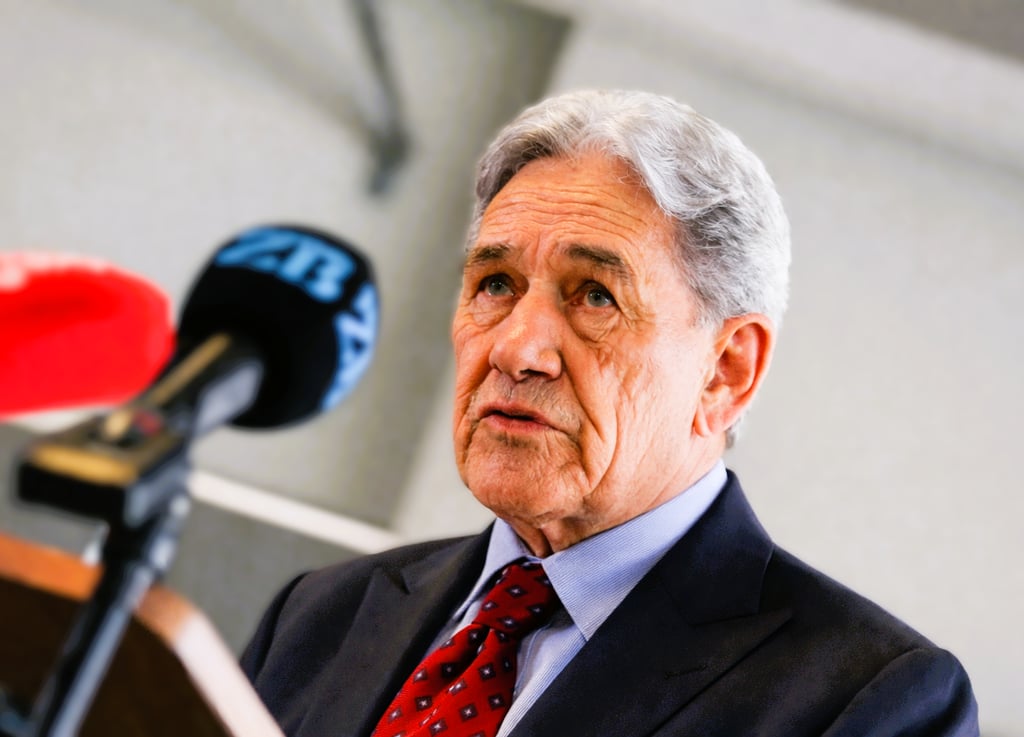
Khaleej Times reported that "diplomatic staff left Iran safely on commercial flights overnight," with New Zealand's foreign ministry confirming "the Tehran embassy's operations were moved to Ankara, Turkey, because of the 'deteriorating security situation' in the Islamic Republic." New Zealand Foreign Minister Winston Peters stated Thursday that his country was "appalled" by Tehran's violent reaction to anti-government protests.
Slovakia's Foreign Minister Juraj Blanar, according to the Times of Israel, said the decision was prompted by the "significant deterioration in security and the 'real threat of an escalation of the military conflict,'" adding that "at the moment, all diplomats and employees of the Slovakian embassy in Tehran are safe and out of danger."
New Zealand issued stark travel warnings, with Khaleej Times reporting the foreign ministry "had an 'extremely limited' ability to give consular help to New Zealanders in Iran" and advising that "any New Zealanders currently in the country should leave now." The ministry noted that "severe communication challenges were making it hard for people to get in touch with family and friends in Iran," advising New Zealanders in the country to contact relatives whenever possible.
The embassy closures follow similar actions by other Western nations concerned about both the internal security situation and the risk of military escalation between Iran and the United States or Israel.
Context: Protests Evolved from Economic Grievances to Anti-Regime Movement
Reuters reported that "the unrest began on December 28 due to economic difficulties and evolved into widespread demonstrations demanding the end of clerical governance in the Islamic Republic, culminating in severe violence late last week." What started as protests over inflation, rising food prices, and the collapse of Iran's national currency rapidly transformed into the most significant challenge to the Islamic Republic's authority in decades.
NPR quoted an eyewitness, Hamid Tavoli, 36, who described witnessing a Tehran protest: "People went out to express themselves, but it turned into a war zone. The people do not have guns. But the security forces have guns." France24 and NPR reported that HRANA documented among the 3,090 dead were "2,417 identified as protesters, while 147 were linked to the government," with "12 children and 10 civilians not participating in the protests" also among the fatalities.
NPR and France24 reported that authorities have been searching for Starlink satellite dishes that protesters used to circumvent internet restrictions, with "reports of authorities conducting raids on residential buildings in northern Tehran" to confiscate the devices that had enabled continued communication despite the government-imposed blackout.
International Implications and Uncertain Future
The massive death toll and embassy evacuations underscore the severity of Iran's current crisis and the international community's growing alarm. The Times of Israel reported ongoing concerns about U.S. military action, noting that despite reduced street protests, tensions remain extremely high with multiple Western nations withdrawing diplomatic personnel as a precautionary measure.
As the internet blackout continues into its second week and security forces maintain heavy surveillance of Iranian cities, the true extent of casualties and human rights violations remains difficult to independently verify. Human rights organizations warn that the death toll of 3,090 confirmed fatalities likely represents only a fraction of the actual losses, with thousands more potentially killed whose deaths have not yet been documented due to communications restrictions and families' fears of reporting relatives' involvement in protests.
The coming days will reveal whether the apparent calm in Tehran represents genuine suppression of the protest movement or merely a temporary pause before renewed unrest, as economic conditions that sparked the initial demonstrations remain unresolved and anger over the massive government violence continues to simmer beneath the surface of enforced normalcy.
Updates
Delivering timely news and inspiring life stories.
Links
Contact
+917976343438
© 2025. All rights reserved.