
Renee Nicole Good Shooting: ICE Killing in Minneapolis Sparks Protests, Political Backlash, and Federal Investigation
The fatal ICE shooting of Renee Nicole Good in Minneapolis has triggered protests, political backlash, and federal investigations. Here’s what happened, what officials say, and why the case is fueling a national debate on immigration enforcement and civil rights.
US NEWS
Sandeep
1/8/20265 min read
The fatal shooting of Renee Nicole Good, a 37-year-old Minneapolis resident and mother of three, during a federal immigration enforcement operation has ignited nationwide outrage and renewed scrutiny of U.S. Immigration and Customs Enforcement. The incident occurred on January 7, 2026, in south Minneapolis when an ICE agent fired multiple shots into an SUV during a tense street confrontation, killing Good at the scene. Viral videos, eyewitness accounts, and conflicting official statements have since fueled protests, vigils, and political backlash, with critics questioning the use of force, the denial of immediate medical aid, and the broader impact of aggressive immigration crackdowns in U.S. cities. As investigations by federal and state authorities continue, the case has become a flashpoint in the ongoing national debate over law enforcement accountability and immigration policy.
According to eyewitnesses and video footage circulating widely online, the confrontation unfolded as ICE agents approached a vehicle blocking the street during a large-scale enforcement operation in south Minneapolis. Footage shows officers ordering the driver to exit before the SUV moved slightly, prompting an agent to fire three shots into the driver’s side window. Authorities later confirmed that the woman killed was Renee Nicole Good, who was not the target of the immigration operation. While Department of Homeland Security maintains that the agent acted in self-defense, witnesses dispute that version, claiming Good appeared frightened and was attempting to leave the scene rather than harm officers. These conflicting narratives have intensified public anger, with critics demanding clarity on whether lethal force was justified and whether de-escalation could have prevented the tragedy.
Renee Nicole Good was remembered by family and neighbors as a devoted mother, partner, and compassionate community member whose life was centered on caring for others. A longtime resident of Minneapolis, Good was raising three children and was with her spouse at the time of the shooting, according to family accounts. Relatives said they were stunned by official claims describing her as a threat, insisting she was likely terrified during the chaotic encounter. As news of her death spread, mourners gathered for candlelight vigils across the city, leaving flowers and handwritten notes that called for justice and accountability. For many in Minneapolis, Good’s killing has become a deeply personal symbol of fear and mistrust surrounding federal enforcement actions and their impact on ordinary families.
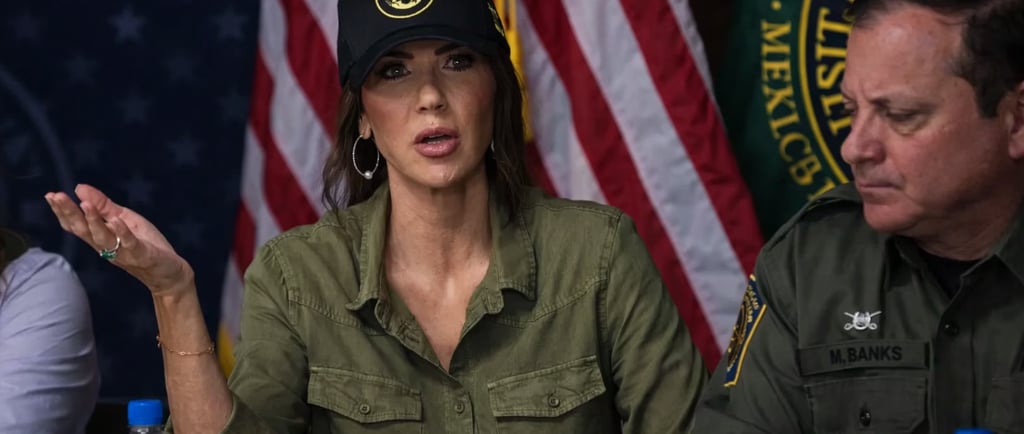
The shooting quickly escalated into a national political flashpoint after former U.S. President Donald Trump and Homeland Security Secretary Kristi Noem publicly defended the ICE agent involved. Trump claimed the officer acted in self-defense, accusing critics and bystanders in viral videos of being “professional agitators,” while Noem went further by labeling the incident an act of “domestic terrorism.” These statements sharply contrasted with accounts from Minneapolis city leaders and witnesses, who argued that video evidence contradicts federal claims. The clash of narratives has deepened public distrust, turning Renee Nicole Good’s death into a broader debate over political rhetoric, federal authority, and the accountability of immigration enforcement agencies.
Another explosive dimension of the case emerged after a viral video suggested that medical assistance may have been delayed or denied to Renee Nicole Good after she was shot. In the footage, a visibly distressed bystander confronts federal agents, repeatedly accusing them of causing her death, while another individual—reportedly a physician—claims he was prevented from providing immediate help. According to witnesses, agents said they had their own medic on the way, though it remains unclear how quickly aid was administered. The Department of Homeland Security has not released a detailed timeline of medical response, fueling public outrage and calls for transparency. For many critics, the question of whether faster intervention could have saved Good’s life has become just as significant as the shooting itself.
Multiple agencies have now launched formal investigations into the fatal shooting, with the Federal Bureau of Investigation and the Minnesota Bureau of Criminal Apprehension jointly reviewing the incident. Officials say the probe will examine body-camera footage, surveillance video, witness statements, and the actions of the ICE agents involved. Minneapolis Mayor Jacob Frey has publicly rejected the federal account, calling it misleading and inconsistent with video evidence. As investigators work to reconstruct the moments leading up to Renee Nicole Good’s death, pressure continues to mount on authorities to release clear findings that can either justify or challenge the use of lethal force.
Despite mounting protests and demands from local leaders to pause federal enforcement actions, the Department of Homeland Security has confirmed that ICE operations in Minneapolis will continue. Homeland Security Secretary Kristi Noem stated that agents would remain active on city streets, a position that has intensified tensions between federal authorities and community members. In response, thousands of residents have participated in marches, vigils, and demonstrations, calling for justice for Renee Nicole Good and stricter oversight of immigration enforcement. For many protesters, the decision to proceed with operations underscores deeper concerns about public safety, civil rights, and the human cost of aggressive federal crackdowns.
Beyond the immediate tragedy, the killing of Renee Nicole Good has reopened a national reckoning over civil rights, use of force, and accountability in federal law enforcement. Advocacy groups argue that the incident exemplifies how immigration enforcement actions can escalate into deadly encounters, particularly in densely populated urban neighborhoods. Calls are growing for independent oversight, clearer engagement protocols, and greater transparency from agencies like U.S. Immigration and Customs Enforcement and the Department of Homeland Security. As Minneapolis continues to grieve, the outcome of ongoing investigations may shape not only justice for Good’s family, but also future policies governing federal operations nationwide—making this case a defining moment in the broader debate over public safety and human rights in America.
As Minneapolis grapples with grief and anger, the death of Renee Nicole Good has intensified a nationwide conversation about civil rights and federal law enforcement accountability. Community leaders and advocacy groups argue that aggressive immigration operations can escalate rapidly, placing civilians at risk and eroding public trust. Demands are growing for transparent investigations, independent oversight, and clearer rules of engagement for agencies such as U.S. Immigration and Customs Enforcement under the Department of Homeland Security. With multiple probes underway, the findings could influence how future enforcement actions are conducted—not only in Minneapolis, but across the United States—making this case a potential turning point in debates over public safety, accountability, and human rights.
As investigations progress and public scrutiny intensifies, the case of Renee Nicole Good continues to resonate far beyond Minneapolis. What began as a single enforcement encounter has evolved into a national test of transparency, justice, and trust in federal institutions. For Good’s family and supporters, accountability is not only about determining legal responsibility, but also about ensuring that similar tragedies are prevented in the future. The findings from ongoing probes involving federal and state agencies will be closely watched, as they may set precedents for how incidents involving U.S. Immigration and Customs Enforcement are handled going forward. Until then, vigils, protests, and calls for reform serve as a reminder that this incident has become a defining moment in the broader debate over immigration enforcement, civil rights, and the value of human life.
Updates
Delivering timely news and inspiring life stories.
Links
Contact
+917976343438
© 2025. All rights reserved.